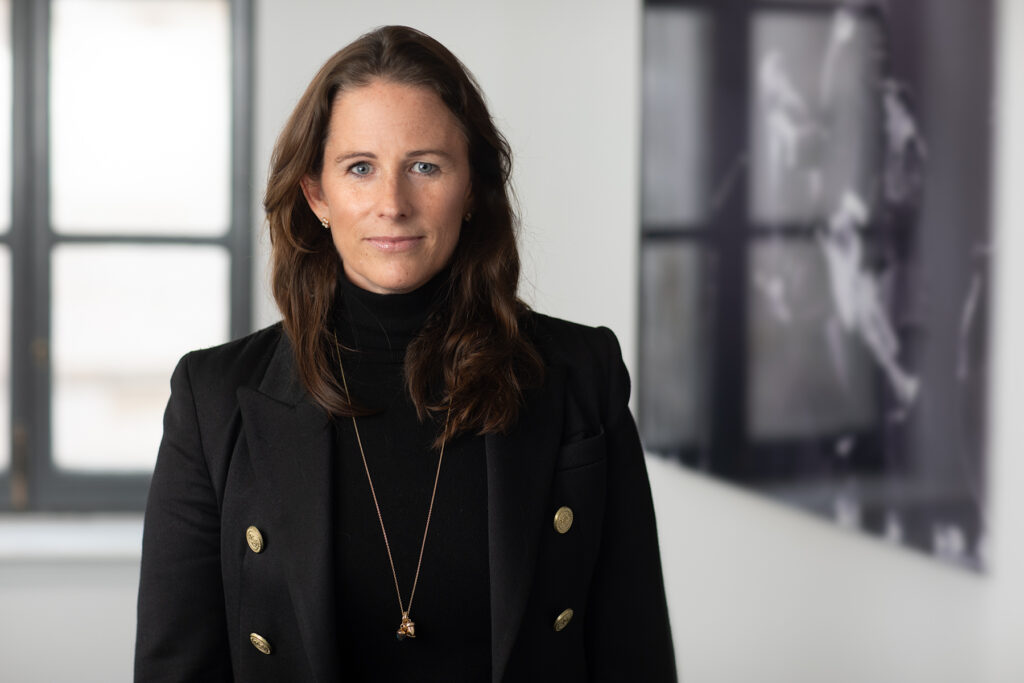


From my experience, succession planning is something that is very much a part of strategic workforce planning (SWP). SWP defines the big picture - what capabilities, capacity and structure an organisation needs to deliver its future strategy. Succession planning operates within that picture. It’s not a one-off event; it’s a continuous process. At its core, it’s about two things: identifying future leadership talent and developing that talent over time.
In our work with CEOs and Chief People Officers, we see a common challenge. While most leaders recognise the commercial and organisational benefits of effective succession planning, it still slips down the priority list. It’s often treated reactively, triggered by a resignation, buy-out or restructure, rather than as part of their long-term talent strategy.
But, when done well, strategically embedded succession planning does far more than simply prepare for leadership transitions. It strengthens the entire talent lifecycle, from attraction and development through to retention, whilst safeguarding institutional knowledge, ensuring continuity, increased productivity and long-term strategic success.
Knowing what matters: Defining future-ready leadership
The question we often hear from senior leaders is: “What should we really look for in our succession plan to support long-term strategic growth?”
The answer lies in identifying the leadership attributes that will enable your organisation’s next phase of growth.
According to a recent poll we conducted, 44% of respondents said the biggest blind spot in building leadership teams is a lack of diverse thinking. Yet, when asked what matters most for a high-performing leadership team, 82% highlighted collaboration.
This tells us that alignment between diversity of thought and collective performance should be at the heart of any succession plan. In other words, that means resisting the urge to replicate what already exists. Instead, define what you need next, and develop the leaders who have the potential to take you there.
Making it practical: How to embed succession planning in your talent strategy
So how do you embed succession planning as a strategic process rather than a reactive fallback?
Here are five practical steps to transform succession planning:
01
Start with strategy
Understand the organisation’s medium- to long-term business goals (typically five years ahead). From there, identify the capabilities and leadership capacity required to deliver them.
02
Assess the current state
Map your existing leadership team and talent pipeline against these future needs. What are the ‘A positions’ required to achieve these goals? Where are the strengths? Where are the gaps?
03
Evaluate potential objectively
This is where structured, evidence-based assessment is invaluable. Using independent tools (data and insight, psychometrics, leadership diagnostics, and behavioural insight) provides a clear picture of individual potential and readiness, beyond performance alone.
04
Develop intentionally
Once potential is identified, create tailored development plans that build readiness over the appropriate timescales. This includes external coaching, mentoring, role rotations and exposure to stretch their skillset, deepening their strategic and operational capability for future success.
05
5. Review regularly
The business landscape changes fast, particularly in today’s climate. Treat your succession plan as a living document that’s reviewed bi-annually and adjusted as strategies evolve.
As this HBR article puts it, the term ‘succession planning’ puts the focus on the plan, rather than the development itself. Perhaps it should it be called ‘succession development’ to shift the focus? Use the rhetoric that works for your organisation and which won’t let succession fall down the priority list.
Where Redgrave can help
At Redgrave, we partner with organisations to bring rigour, objectivity and insight into leadership planning. Our executive assessment specialists and chartered business psychologists, led by Adrian Bassett, combine commercial understanding with evidence-based methodologies to help clients:
Assess leadership teams – ensuring capability and culture are aligned to strategic goals.
Develop emerging leaders – through bespoke evaluation, coaching and development planning to nurture future successors
Strengthen selection decisions – by providing independent, data-driven insight into leadership potential, behaviour and fit.
Our approach is human-centric, independent and strategic, designed not just to inform hiring, but to strengthen your succession pipelines and long-term organisational resilience.
A final thought
Succession planning isn’t just about who takes over next. It’s about building leadership capacity for what’s coming next. When embedded as a continuous, insight-led process, it becomes one of the most powerful enablers of sustainable growth, talent retention and strategic agility.
If you would like to know more about how Redgrave can support you with leadership assessment and coaching, please contact me, Kyra Cordrey or Adrian Bassett.