



A CPO’s Roadmap to Your First NED Seat

Champion your career journey. Amplify your strategic voice. Make your boardroom ambitions a reality.

If stepping into the boardroom is on your radar, this is your moment to “put on your own oxygen mask” and prepare for a governance role where curiosity, judgment, and impact take centre stage.

For many Chief People Officers, the leap into a Non-Executive Director role starts with one crucial shift: recognising the potential you’ve spent years cultivating, shaping inclusive cultures, elevating others, and driving strategic change.

In collaboration with Wondrous, we’ve created a practical, inspiring toolkit to help you move from chief people advocate to boardroom strategist. From adopting a Board-ready mindset to embracing pro bono opportunities, we explore how CPOs can build momentum and position themselves for a rewarding, high-impact NED role.

In partnership with Wondrous:

Trudi Ryan

Co-founder, Wondrous

Samantha Simon

Partner Strategic Partnership & Innovation, Wondrous

Joanne Kimber

Head of Client Development, Wondrous

Board vs. Executive Roles: What’s the Difference?

Boardrooms and executive teams serve distinct, yet equally critical, functions. While executives focus on execution and delivery, boards are tasked with oversight, governance, and long-term value creation.

Stepping into a NED role requires a mindset shift: from tactical delivery to strategic influence, questioning what gets done. Cultivating the habit of asking deep, open-ended questions is essential, those that spark reflection, encourage debate, and uncover blind spots. By staying curious, actively listening, and challenging assumptions with grace, you move from being a presenter of information to a strategic thought partner.

Executive TeamBoard
Operational decision-makingStrategic oversight
Day-to-day executionSetting and challenging direction
Managing teams and budgetsApproving and monitoring budgets
Driving culture changeEnsuring culture aligns with strategy

As an exec, we’re paid to have good answers. As a non-exec, we’re paid to ask good questions.

This shift is subtle, but powerful, and it’s what separates effective governance from passive oversight.

Adopt a Board-Ready Mindset

01

Slow the pace

02

Ask open-ended questions

Spark honest reflection with questions like: “When did we last test our assumptions about this data?”

03

Lead with curiosity

Boards value diverse perspectives. Try: “Help me understand how this metric links to our long-term vision.”

04

Show your human side

Vulnerability builds credibility. A simple, “I don’t know, let’s explore it,” can strengthen trust and unlock better dialogue.

Once your mindset shifts, the next step is building the right skills.

Map out your Skills Sprint

Building a Board-ready profile isn’t just about experience. It’s about intentional growth. Start by identifying the core competencies. Then treat your development like a sprint: set clear milestones, allocate resources, and track progress as you broaden your leadership toolkit.

Consider the following focus areas:

01

Financial literacy

Show you can read and challenge balance sheets, forecasts, and cash flow assumptions. Join quarterly CFO briefings or earn a governance certificate to deepen your financial acumen.

02

Commercial mindset

Understand market dynamics, customer behaviour, and emerging risks, even beyond your sector. Boards want strategic contributors who speak the language of growth.

03

Risk oversight

Study frameworks for assessing reputational, operational, and cultural risks. Today’s boardroom decisions often hinge on how confidently you evaluate impact across people, planet, and profit.

04

Strategic framing

Practice turning insights into outcomes. When presenting data, especially around talent or culture, connect the dots to strategic value. “So what does this mean for our market position?”

05

Governance

Make time to read the UK Corporate Governance Code. Understanding the guardrails sharpens your ability to challenge, support, and guide executive teams with purpose.

Get Board-Ready Experience

Every experience – from boardroom observations to mentoring and public speaking – sharpens your credibility, strategic thinking, and ability to contribute with confidence. It’s about building your presence even before you have a seat.

Seek out opportunities that stretch your leadership and force you to distil complex ideas into clear, strategic insight. Here are some ways to gain valuable board-ready experience:

01

Consider pro bono advisory

Dedicate four to six hours a month advising a startup or nonprofit, guiding them through budgeting, stakeholder engagement, or people strategy. It’s a great way to flex your governance mindset in a safe, high-impact space.

02

Shadow a board

Ask your CEO or Chair if you can observe a board meeting. You’ll gain insight into pace, tone, and how directors frame discussions, and what makes for a well-timed intervention.

03

Secure a mentor or sponsor

Connect with a seasoned NED (in or beyond your industry) who can coach you on protocol, board dynamics, and the unwritten rules that shape successful contributions.

04

Develop your board persona

Practice sharp, strategic communication. In most boardrooms, time is precious. Learn to make your point in under two minutes, and make it matter.

Overcoming Common Challenges

Every aspiring NED experiences time pressures, self-doubt and competing priorities. Tackling these head-on keeps your journey on track.

Here are some strategies to help you navigate them:

01

Manage your time commitment

Protect your calendar by blocking two hours per week for NED prep: reading, networking, CV tweaks.

02

Control imposter syndrome

Keep a “wins journal”. Log every Board-style insight or intervention. Review it monthly to boost your confidence and celebrate your successes.

03

Clarify your capacity

Set strict boundaries by establishing “no-meeting” windows for focused, deep work – and ensure you protect this time.

Get Ready to Launch your NED Journey

Securing your first NED role requires more than just ambition. It’s about building visibility, credibility, and momentum with intention. It means actively shaping how the market sees you: not just as a seasoned executive, but as a strategic thinker ready to add value in the boardroom.

This stage is about positioning yourself for opportunity, clarifying your governance strengths, expanding your influence, and signalling to decision-makers that you’re board-ready.

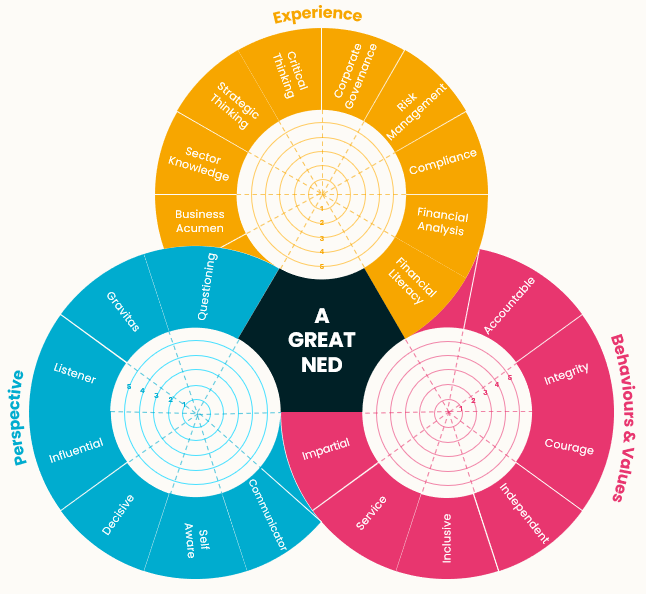
Complete a board readiness assessment. Identify gaps in skills, experience, and network. Use the Wondrous ‘Great NED’ diagnostic to map your Value → Experience → Perspectives.

Curate a NED CV. Separate it from your executive CV, focusing on governance, oversight, and strategic contributions, plus any advisory or non-profit roles.

Network at the right tables. Attend governance seminars, women-in-leadership forums, and board director meetups in various sectors.

Leverage executive search firms. Build a relationship with People & Culture–focused headhunters who can advocate for you when NED mandates come up.

Share your voice. Show you’re a board thinker, not just an HR expert. Publish articles or give talks on topics like culture-strategy alignment, talent risk, workforce transformation, or ESG-linked leadership.

Wondrous model: A Great NED

Own your Oxygen Mask

Stepping from the CPO chair into a NED seat is about more than title progression — it’s a deliberate shift toward influence, legacy, and leadership at scale. It means investing in your own development, honing the breadth of your strategic lens, and balancing your deep cultural expertise with commercial and governance fluency.

Board-level impact comes from slowing down, asking the difficult questions, and challenging prevailing assumptions. That’s where non-executive leaders truly add value, creating space for reflection, accountability, and long-term thinking.

More Articles

Get In Touch