
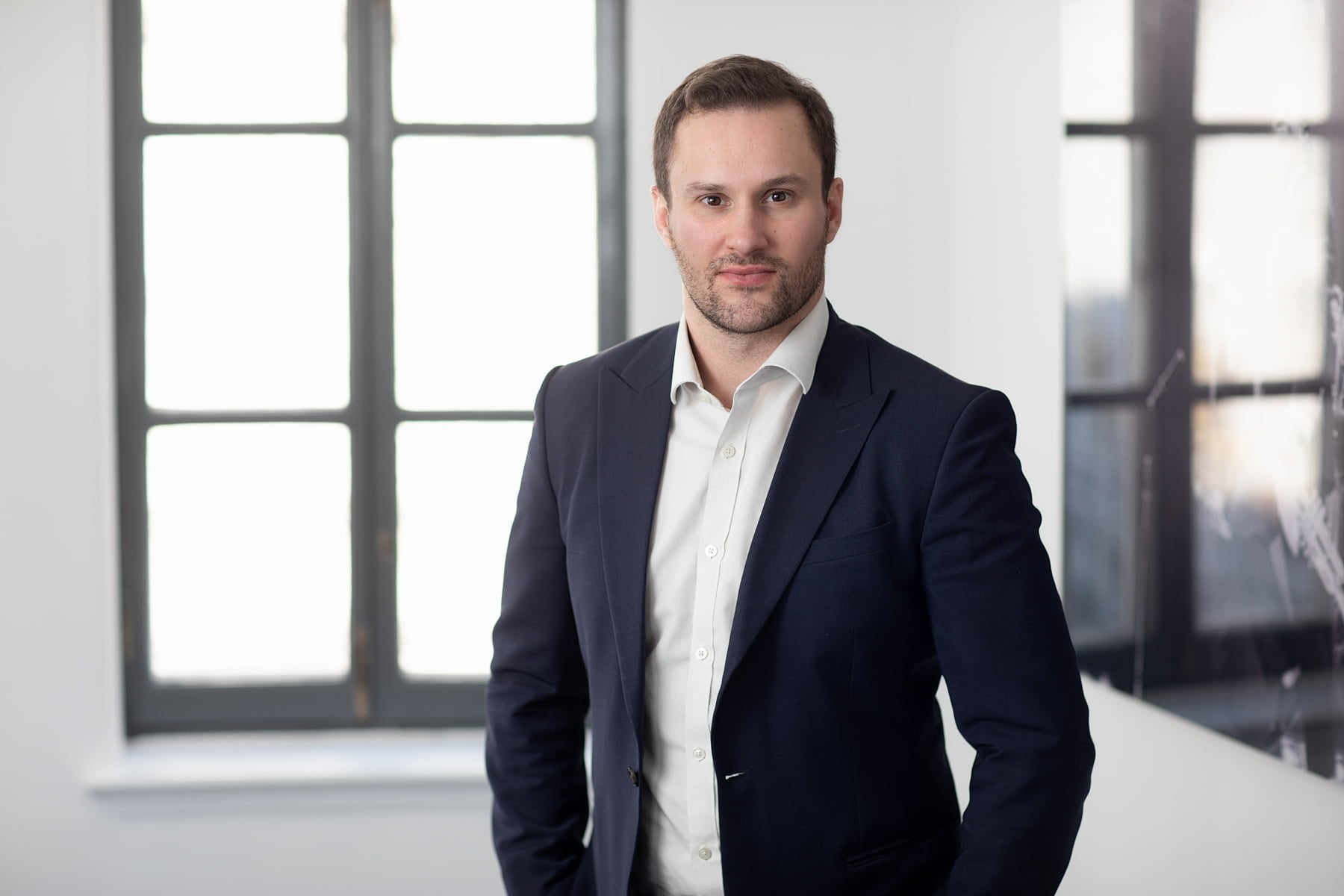
In this #CultureHeroes feature, we explore how Noble Foods executed a deep culture transformation, shifting from a numbers‑driven mindset to a purpose‑led culture. Chris Hatcher interviews Louisa Hogarty to uncover how a 100‑year‑old organisation became more collaborative, future‑fit and values‑driven.
#CultureHero:
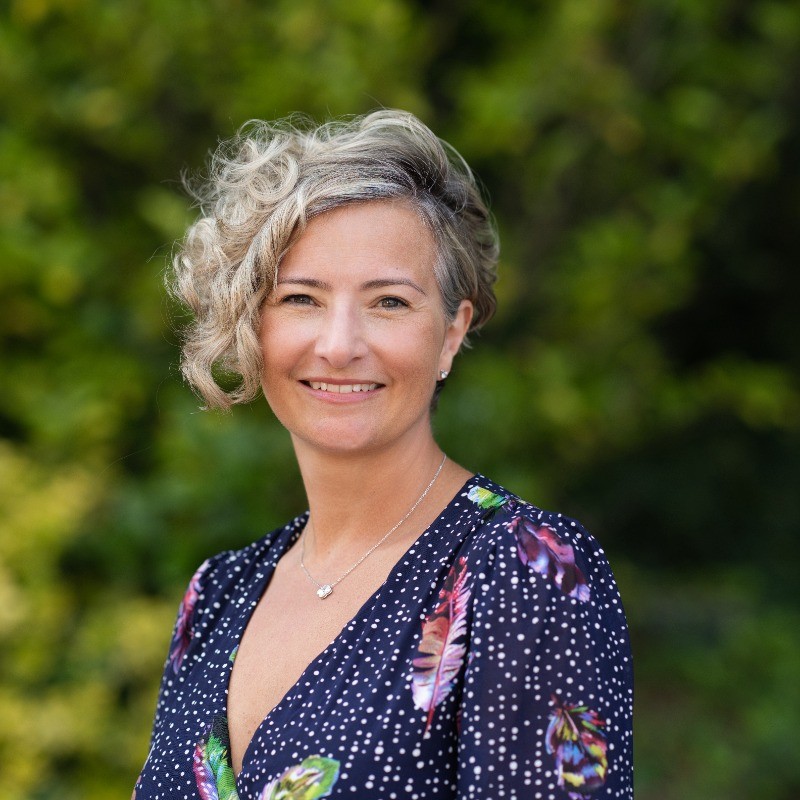
Louisa Hogarty
Group HR Director, Noble Foods

When I first met Louisa seven years ago, Noble Foods was operating under a very different philosophy. It was a culture focused squarely on numbers, not on collaboration or care. That model delivered results but it wasn’t sustainable.
One business unit would make a decision even if it hurt another, so long as it benefited their own bottom line.
Today, Noble is still a commercially successful organisation, but it’s also one with a reputation for care, purpose and culture-led leadership.
We’re still commercially strong, but now people genuinely care for each other, collaborate across teams, and take pride in the impact we’re having.
So how did the business make that shift?
Louisa talks through the journey, her key lessons, and the work still to come.
What Makes a #CultureHero?
#CultureHeroes are leaders who shape the environment in which people thrive. They understand that culture is the lived experience of every employee, influencing decisions, behaviours, and outcomes. A #CultureHero challenges the status quo, acts with purpose and turns values into action for long-term impact.
Why Culture Must Be at the Heart of Strategy
Our Culture White Paper shows that: 91% of employees agree that a positive culture is dependent on effective leadership, yet only 42% say culture is a top priority for their leadership team.
In my experience, culture change rarely succeeds without genuine commitment from the top. That’s because culture isn’t an add-on to strategy.
When strategy is aligned with culture, it shapes how values, behaviours, and purpose guide every decision and interaction.
At Noble Foods, that shift began in 2019 when Sarah Dean brought the business back into family ownership. Her ambition was to rebuild not just the business’s reputation, but its soul, deliberately putting culture at the centre of their agenda.
That vision triggered a five-year transformation, that even today, continues to evolve.
Redgrave partnered with Noble on a pivotal step in that journey: appointing a new CEO. But this wasn’t just about capability. It was about finding a leader who would embody the values Sarah wanted to embed, while being commercially sharp and equally anchored in integrity and family ethos.
That leader was Duncan Everett. From his very first meeting, he shifted the tone. He didn’t start with KPIs or performance targets. He asked a different question, one that cut straight to culture: “How are you going to do that together?”
According to Louisa, that single moment signalled a reset. Intent from the top, clarity of purpose, and the courage to move slower than instinct suggested.
That moment marked the end of individual wins and the start of collective accountability. No one left the room confused. Silos were over. It wasn’t about personal gains. It was about collective wins. We knew we could only do that if we worked together.
From where I sit, it was culture change at its best: vision set from the top, reinforced through leadership, and hardwired into how the business operates. Culture became the operating system, giving Noble Foods not just alignment, but shared purpose.
Purpose That Drives Decision Making
This co-creation is what separates lasting cultural change from surface-level gestures. Louisa and her team didn’t write values in isolation and hand them down. They went out and asked.
The result was TO CARE: a values framework that works both in acronym and in practice:
Togetherness, Ownership, Courage, Action, Respect, Excellence.
The acronym worked for them because it meant something to every part of the business. The language was authentic, simple and crowd-sourced.
We didn’t sit in a room and create values. We asked people across the business: “how do we do things around here? What do you mean by family? What does care look like?”
Once leadership sets the tone, the next challenge in any cultural transformation is defining a purpose that truly sticks. Not a mission statement on a wall, but a unifying idea that informs decisions, conversations and initiatives across the organisation.
Research shows that an effective purpose can inspire people, while boosting bottom-line performance.
At Noble, that purpose was shaped through wide consultation, drawing on real voices from across the business, and refined into a clear statement:
To better nourish people, animals and planet.
People, animals and planet became the backdrop for everything we do. When you get purpose right, it doesn’t feel like a bolt-on. It just fits.
Influence Beyond The Executive: Why Culture Spreads Through Peers
One of the biggest lessons I share with my clients is that real culture change doesn’t scale through hierarchy alone. It spreads through influence. Leaders set the direction, but the real transformation is through peer influencers and cross-level “culture champions.”
At Noble, Louisa and Duncan recognised this early. With 1,500 employees across farms, factories, and logistics, they knew culture had to be owned on the ground.
This is why they created the Noble Leaders Group (NLG), 50 people from across the business chosen not for seniority, but for their influence and credibility with peers.
They weren’t chosen for job titles, but for the influence and the impact they had on others. We asked them to help lead the change. And they became co-owners of the culture shift.
By the time the purpose and values were shared business-wide, it wasn’t the exec team delivering the message. It was peers. The language had already landed. And it stuck.
It’s a textbook example of how to scale culture: set intent at the top, but let it spread through those who carry the most influence day-to-day.
Listening, Measuring, And Staying Honest
Listening, however, is only the first step. When site-level teams flagged what wasn’t working, leadership didn’t defend or dismiss. They slowed down, rethought, and redesigned. That willingness to respond is what builds lasting trust.
Through a clear and well-understood purpose, Noble has taken its next bold step: evolving that purpose into an Impact Report, structured around people, animals and planet. That same clarity is also shaping their journey toward B Corp certification.
We’re not chasing a badge. We’re building foundations. B Corp’s new standard rewards embedded, authentic systems, and that’s exactly what we’ve been creating
Noble’s journey is proof of what it means to live your values. Measurement is necessary. But meaning comes from listening, responding, and holding yourself accountable.
Too many organisations mistake measurement for meaning. Real progress is about whether people feel heard, valued, and empowered to shape the future. At Redgrave, we encourage leaders to measure what matters, but also to listen with the intent to act.
Noble has done just that. Over the last four years, they’ve used the Best Companies Index to listen at scale. Participation has jumped from 57% to 80%.
The increase tells us people can see their voice is heard and acted on. They’re not just filling in a survey. They’re helping shape the business.
From Command And Control To An Adult‑To‑Adult Operating Model
What stood out from my conversation with Louisa is how Noble distinguishes between simply communicating well and genuinely building capability, developing leaders at every level.
Looking ahead to 2030, Louisa highlights two cultural priorities: ownership and intergenerational collaboration.
That aligns with a wider shift we’re seeing.
Our research shows that 78% of employees expect to see a positive cultural evolution in their organisation over the next five to 10 years, with a strong emphasis on wellbeing, inclusion and flexibility.
Noble is ahead of that curve, already embedding these priorities into its operating model today.
We’re moving from a parent-child culture to an adult-adult culture. That means people feeling confident to take ownership, to challenge, to lead
With five generations working across the business, from 50-year veterans to apprentices still in college, the ability to bridge deep experience with digital innovation will be critical to sustaining that progress.
We’re proud of our cultural performance, but the job is never done. But we’re better every year, because we listen, we learn, and we act.
This is what culture maturity looks like: moving beyond control and compliance, and creating an environment where people at every level feel empowered to lead the future together.
Culture As A Magnet For Talent
Louisa and I ended our conversation looking to the future, specifically at how the food industry can attract the next generation of talent.
We need to tell better stories because that’s how people connect with an industry. Not just stories about the product, but about the people. About Bob, who started on the cleaning team and is now an operations director. About Ed, who’s worked the same farm for 50 years. This industry is full of brilliant, human stories, and sharing them helps people see a future for themselves here.
Culture gives people a reason to stay, but also a reason to join. Noble’s journey shows that when purpose, values, and leadership are aligned, you don’t just build a successful business, you build one that inspires.
Without consistent leadership alignment, listening, adaptation, and peer‑led activation, shifts don’t last.
That’s what our #CultureHeroes series is all about: recognising the leaders who are reshaping their organisations from the inside out, through purpose, consistency, and care.
They’re embedding culture at every level, creating space for future talent, and proving that better business is built on better leadership.